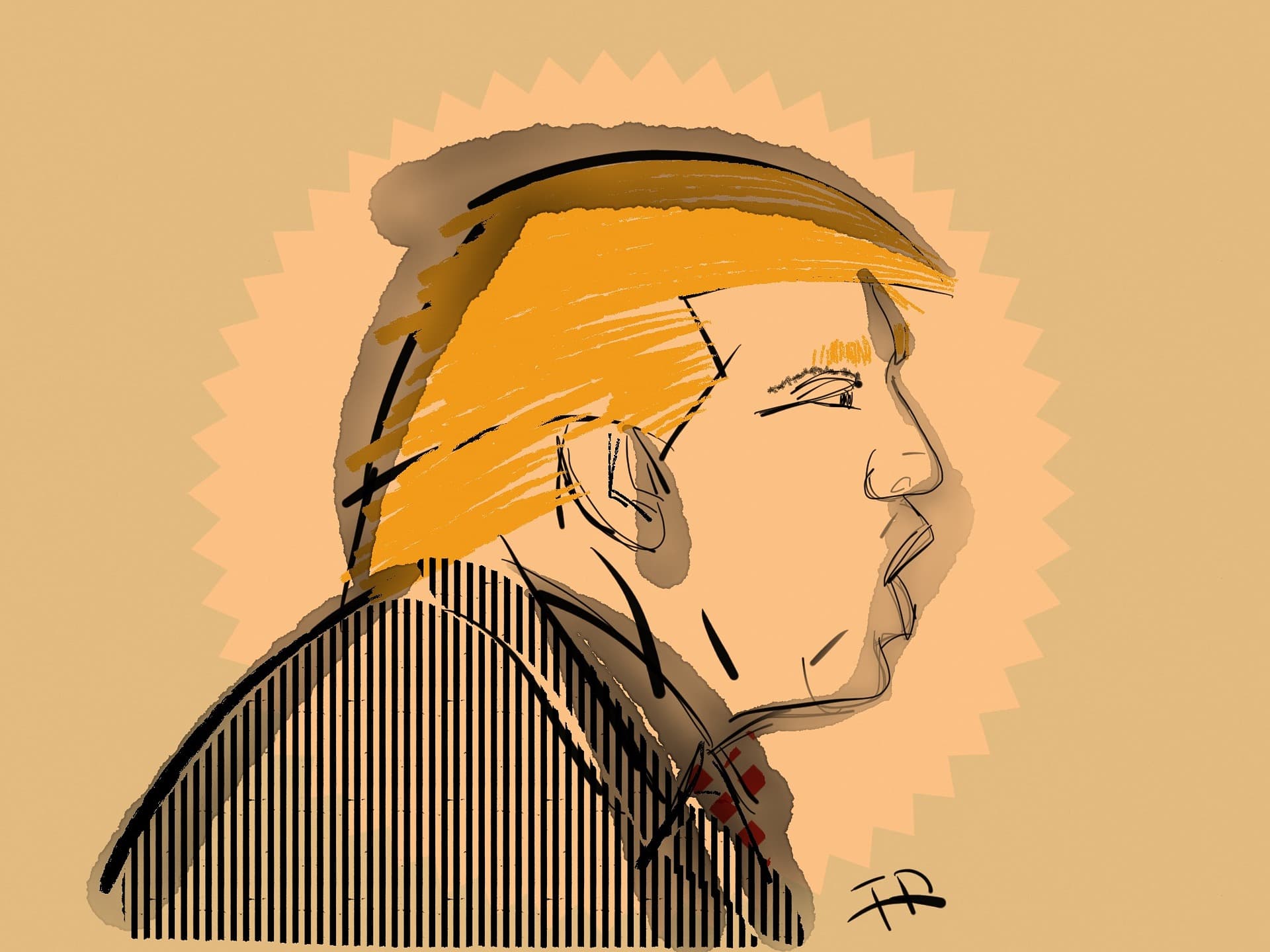
Section 122 Explained: Why Trump Announced a 10% Global Tariff After the Supreme Court Ruling
On February 20, 2026, the U.S. Supreme Court ruled that President Donald J. Trump exceeded his authority by using the International Emergency Economic Powers Act, known as IEEPA, to impose sweeping global tariffs.
Within hours of that decision, Trump announced he had signed a new order imposing a 10 percent global tariff under Section 122 of the Trade Act of 1974.
Here is what happened, why the Court blocked the earlier tariffs, and why Section 122 is now central to U.S. trade policy.
What the Supreme Court Decided About IEEPA
In a 6 to 3 decision, the Supreme Court held that IEEPA does not authorize the President to impose broad global tariffs.
Chief Justice John Roberts wrote that the President claimed extraordinary authority to impose tariffs of unlimited scope and duration but pointed to no statute clearly granting that power under IEEPA.
IEEPA, passed in 1977, allows the President to regulate economic transactions during a declared national emergency involving an unusual and extraordinary foreign threat. The law does not specifically mention tariffs.
The Court emphasized that the Constitution assigns tariff authority to Congress. Because IEEPA does not clearly authorize tariffs, the majority ruled that Trump exceeded his authority.
In dissent, Justice Brett Kavanaugh argued that other statutes could allow the President to impose similar tariffs and warned that the ruling could create complications, including potential refund disputes.
Why Trump Turned to Section 122
After the Court invalidated tariffs imposed under IEEPA, Trump announced he would use Section 122 of the Trade Act of 1974 instead.
Section 122 is different from IEEPA in several key ways:
- It specifically addresses balance of payments problems
- It explicitly authorizes a temporary import surcharge
- It limits the tariff to 15 percent
- It limits the duration to 150 days unless Congress extends it
In other words, Section 122 is a trade specific statute. It was written with import surcharges in mind. That makes it a clearer legal pathway than IEEPA for imposing temporary tariffs tied to trade imbalances.
Why Trump Says Section 122 Is Necessary
The administration argues that the United States faces serious balance of payments problems.
A Large Goods Trade Deficit
The United States has been running a goods trade deficit of about $1.2 trillion annually. That means the country imports significantly more goods than it exports.
A 4 Percent Current Account Deficit
The current account includes trade in goods and services, investment income, and financial transfers. In 2024, the deficit reached about 4 percent of gross domestic product, one of the highest levels in years.
A Negative Net International Investment Position
By the end of 2024, the net international investment position of the United States stood at negative 90 percent of GDP. This reflects that foreign investors hold substantially more U.S. assets than Americans hold abroad.
The administration argues these figures qualify as large and serious balance of payments deficits under Section 122.
What the 10 Percent Global Tariff Does
Under Section 122, Trump announced a 10 percent ad valorem import surcharge.
Key points:
- The tariff applies to most countries
- It is temporary and limited to 150 days
- It is capped by law at 15 percent
- Congress would need to act to extend it
The White House document states the tariff is designed to stem the outflow of dollars to foreign producers and encourage domestic production.
Unlike the invalidated IEEPA tariffs, this new measure is grounded in a statute that directly addresses trade deficits and import surcharges.
How This Differs From IEEPA
The Supreme Court ruling centered on separation of powers.
IEEPA allows the President to regulate economic activity during national emergencies. However, because tariffs are traditionally a congressional power and IEEPA does not explicitly mention them, the Court ruled that using IEEPA for broad global tariffs went too far.
Section 122, by contrast, was enacted by Congress specifically to deal with balance of payments crises. It clearly authorizes temporary import surcharges under defined conditions.
In simple terms:
- IEEPA is an emergency powers law
- Section 122 is a trade law focused on import surcharges
That legal distinction is why the administration pivoted immediately after the ruling.
What Happens Next
The Section 122 tariff is temporary by design. It can last up to 150 days unless Congress votes to extend it.
Several possibilities could follow:
- Congress could codify or expand tariffs through legislation
- Courts could review whether the Section 122 criteria were properly met
- The administration could use other statutes such as Section 232 or Section 301
For now, Section 122 has become the primary legal foundation for Trump’s 10 percent global tariff.
The Bottom Line
The Supreme Court ruled that IEEPA does not authorize sweeping global tariffs. In response, President Trump turned to Section 122 of the Trade Act of 1974, a statute that specifically permits temporary import surcharges in cases of serious balance of payments deficits.
The legal battle over tariff authority has shifted from emergency powers to trade specific statutes. The economic and political consequences will likely unfold over the coming months as markets, Congress, and trading partners respond.